When people choose to buy local, they often think about freshness or supporting neighbourhood farmers. But there is another benefit that’s just as important: the environment. Local food production, especially when it comes to perishable greens, plays a key role in reducing emissions, minimising waste, and building a more sustainable food system.
Microgreens from Tiny Harvest are grown close to home, offering a simple way to make environmentally responsible choices every day.
The Problem with Imported Greens
Much of the produce available in stores is shipped from far away. These long journeys require extensive refrigeration and packaging to keep food fresh. Greens, in particular, are delicate and have a short shelf life, which makes them among the most wasteful categories when shipped over long distances.
Transporting greens by road, air, or sea contributes significantly to greenhouse gas emissions. Refrigerated trucks and air freight use more fuel than standard shipping methods. In addition, to keep greens crisp during travel, they are often packaged in multiple layers of plastic. By the time imported greens arrive at their destination, they may have lost much of their nutritional value and there is a higher risk of spoilage, leading to even more waste.
In South Africa, imported fresh produce can travel thousands of kilometres before reaching a shelf. This entire process increases the carbon footprint of every bite and contributes to food system inefficiencies that most consumers are unaware of.
Microgreens Grown Near You
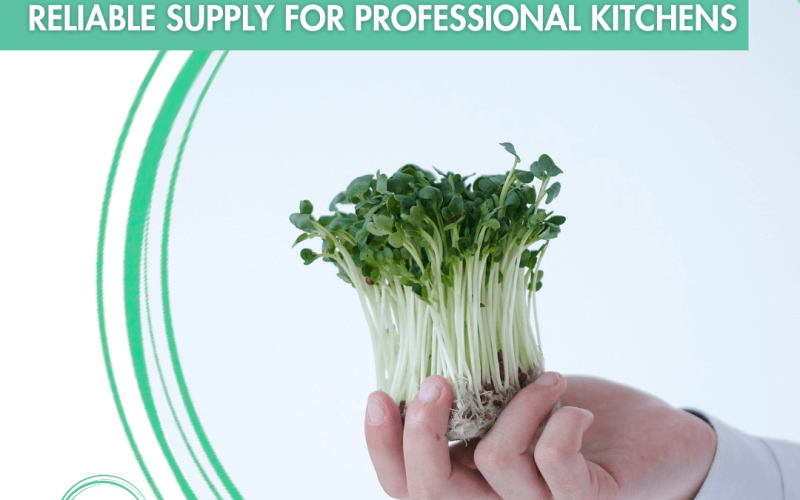
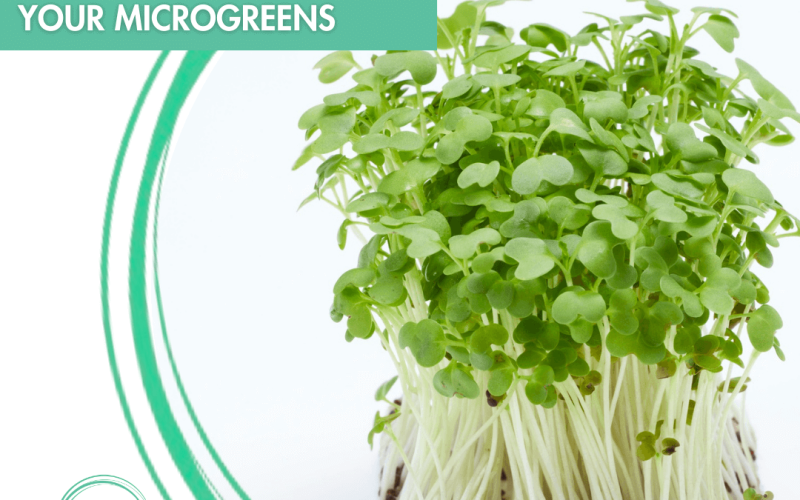
Tiny Harvest takes a different approach. Their microgreens are grown locally in Johannesburg and delivered directly to customers and retail partners in the surrounding area. This short supply chain eliminates the need for long-haul refrigeration and dramatically cuts down on transport emissions.
Because the greens don’t need to travel far, they can be harvested at peak freshness and delivered the same day or the next. This ensures better flavour, higher nutritional content, and a longer shelf life in the fridge. It also means less packaging is required, since there is no need to protect the greens for extended travel.
Choosing Tiny Harvest means choosing greens that have been grown with care, close to where they’re eaten. This connection between grower and consumer reduces environmental impact and fosters a stronger sense of food responsibility. It is also a powerful way to show support for farming methods that prioritise both people and the planet.
Supporting Circular, Low-Waste Systems
Local food systems are better positioned to reduce waste, increase reuse, and operate more efficiently. Tiny Harvest follows a low-waste model by growing microgreens in small batches, based on customer demand. This reduces overproduction and minimises the risk of unsold product.
In addition, by working closely with local restaurants and retailers, Tiny Harvest can adjust delivery quantities and packaging formats to suit the exact needs of their clients. Fewer wasted greens mean fewer resources used overall, less water, less energy, and fewer discarded materials.
The benefits of local production extend beyond just environmental impact. Circular systems create local jobs, retain food revenue within communities, and help small businesses thrive. When customers choose Tiny Harvest, they are contributing to a model that values sustainability from start to finish.
Waste reduction also includes composting and soil enrichment practices. Any offcuts or unused portions of crops can be composted to return nutrients to the soil. This creates a closed loop that mimics natural systems and avoids landfill build-up. Tiny Harvest’s commitment to these principles helps set a new standard for how micro-farming can work in cities.
Sustainability is not just about what we eat, it’s also about how our food gets to us. Choosing locally grown produce like microgreens from Tiny Harvest means fewer emissions, less packaging waste, and fresher food on your plate. It also supports a food system that is better for farmers, businesses, and the environment.
Every purchase is an opportunity to reduce your footprint and make a more conscious choice. With Tiny Harvest, that choice is easy. The next time you add a handful of greens to a sandwich or salad, you can feel confident that you’re nourishing yourself while helping the planet.
At Tiny Harvest, we believe sustainability starts with local action. That’s why we grow and deliver our microgreens fresh, right here in Johannesburg. When you choose Tiny Harvest, you’re not just getting better greens, you’re making a better choice for the planet.